
The Good Span opens to members in January 2027. Interested in joining? Register for early access.
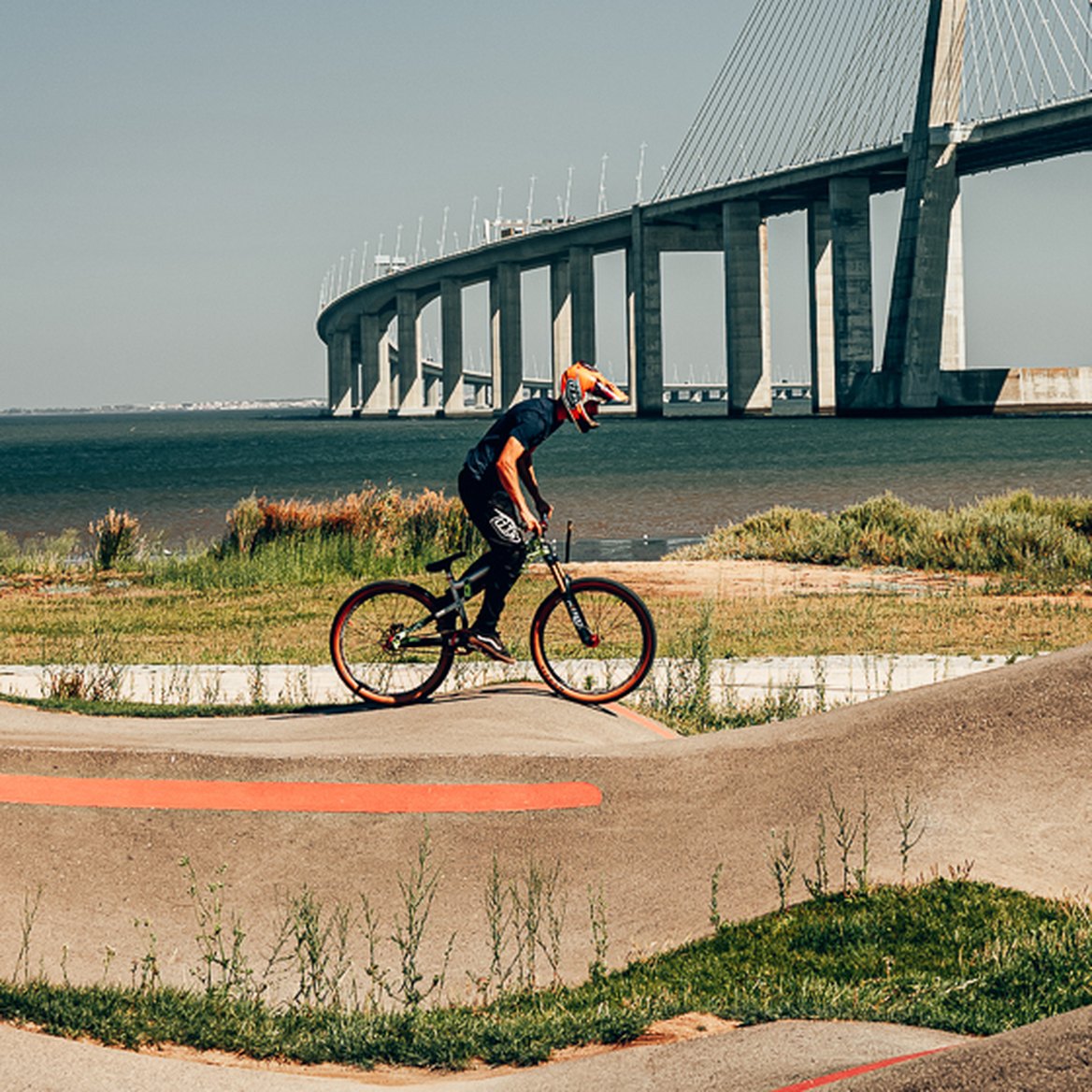
A cyclist in an orange helmet riding a pump track beside a long bridge over the river.

Example Good Span

Claudio, 38

Architect and keen cyclist

Claudio, you told us you'd like to get fitter, sleep more regularly and drink a little less, so that's where we're starting.

You already ride most days, cook well and have a strong circle around you, and we'll build on what already works.

An example member, not a real person.

Starting Position

A clear picture of where Claudio is today across six connected dimensions: what is already supporting his wellbeing, and where focusing his effort could help most.

NUTRITION Going well SLEEP Focus now MOVEMENT Focus now MIND Going well CONNECTION Going well PREVENTION Focus now Claudio STARTING POSITION

Focus nowWorth improvingGoing well

NutritionEating well

You cook most evenings and eat 4–5 portions of vegetables and fruit a day.

SleepYour focus

You sleep 7–8 hours, but your wake time shifts by more than an hour at weekends.

MovementYour focus

You ride four or five times a week, mostly at a steady pace, and do no strength work.

MindHabits to protect

Cycling and time outdoors help you switch off.

ConnectionStaying connected

You ride with a club and see friends most weekends.

PreventionYour focus

You don't smoke, but social evenings often mean 3–4 drinks, more than you'd like.

Where your effort will count most

Focus

Movement

You'd like support with building fitness beyond steady riding.

You ride four or five times a week, mostly at a steady pace. Adding one harder session is one of the most time-efficient ways to build fitness.

What’s already going well

  • Riding four or five times a week.
  • Getting outdoors most days.

Focus

Sleep

You'd like support with keeping a more regular rhythm.

Your wake time shifts by more than an hour at weekends. Keeping it steadier helps your body keep good time.

What’s already going well

  • Sleeping 7–8 hours on most nights.
  • Keeping screens out of the bedroom.

Focus

Prevention

You'd like support with drinking less on social evenings.

Social evenings often mean 3–4 drinks. Deciding before you go turns good intentions into a plan you can stick to.

What’s already going well

  • Not smoking or vaping.
  • Keeping most weeknights alcohol-free.

We build on these habits instead of asking him to start from scratch.

Your month ahead

Two recommended practices to start with, and two more Claudio can add if he has time. Each one is chosen around what matters to him and the time he has.

MovementRecommended

01 · Short intervals

Do a short-interval session of about 30 minutes, including a warm-up, once a week.

Time

About 30 minutes a week. It can replace one of your steady rides.

Make it work for you

After warming up, do 8–10 hard efforts of 30 seconds or less, with 1–2 minutes of easy recovery between each. Keep your other cardio sessions steady, such as brisk walks or easy cycling; one minute of vigorous effort counts as about two minutes of moderate towards your weekly activity.

Why this practice

You told us you want to go further with your fitness, and almost all your riding is at a steady pace. Short, hard efforts build fitness in little time.

What supports this: Milanović et al. (2015), Bull et al. (2020)

SleepRecommended

02 · Consistent sleep timing

Keep your bedtime and wake time consistent every day, weekends included.

Time

No extra time: it changes when you sleep, not how long.

Make it work for you

Pick a wake-up time you can keep and a bedtime that gives you enough sleep. If you're short of sleep during the week, a slightly longer sleep at the weekend is fine; just avoid big shifts in timing.

Why this practice

You told us your wake time shifts by more than an hour at weekends. Keeping bed and wake times steady helps your body keep good time.

What supports this: Chaput et al. (2020), Windred et al. (2024)

PreventionIf you have time

03 · Alcohol-free swaps

Decide how many drinks you'll have and plan your alcohol-free options before every social event where you might drink.

Time

No extra time.

Make it work for you

Set your limit before you arrive, alternate with water or alcohol-free drinks, and tell someone your plan if that helps you stick to it.

Why this practice

You told us social evenings often mean more drinks than you'd like. Deciding before you go turns good intentions into a plan you can stick to.

What supports this: Kaner et al. (2018)

MovementIf you have time

04 · Strength sessions

Do a full-body strength session, using bodyweight or light weights, for 30 minutes, once a week.

Time

About 30 minutes a week.

Make it work for you

Choose exercises that work large muscle groups across several joints, such as squats, lunges, push-ups (against a wall or on your knees if needed) and rows. Use a load you can lift 8–12 times, and do bigger exercises before smaller ones.

Why this practice

You don't do any strength work yet. One short session a week supports your riding and keeps muscles and bones strong.

What supports this: Saeidifard et al. (2019), American College of Sports Medicine (2009)

The six-month journey

A Good Span is a starting point, not a fixed prescription. Each month, Claudio reflects on what’s working, adapts what isn’t and decides what comes next. New practices join one at a time, once the earlier ones feel familiar.

  1. Month 1 · Begin

    Get familiar with the two recommended practices and find ways to make them part of the week. If there's time, add one or both of the other two.

    About 30 minutes a week

  2. Month 2 · Build

    Keep the practices that are working and, when ready, add:

    • SleepMorning daylightGet outside in daylight soon after waking for 5 minutes every morning.
    • PreventionAlcohol intakeHave one more alcohol-free day than usual each week.

    About 1 hour 5 minutes a week

  3. Month 3 · Refine

    Review progress and adjust the practices to fit routines, priorities and experience. If it feels right, add:

    • PreventionAvoiding sunburnAvoid sunburn by using shade, a hat and clothing as well as sunscreen every day the sun is strong.

    About 1 hour 5 minutes a week

  4. Months 4–5 · Deepen

    Explore the next practices in the focus areas, building on what’s been learned so far.

  5. Month 6 · Consolidate

    Identify the habits that matter most and make them easier to sustain beyond the six months.

  6. After six months · New Position

    Revisit the six dimensions to see how habits and priorities have evolved since the Starting Position, review the New Position with the Pilot and decide what to focus on next.

    Two possible next directions

    • Performance and strength could help you combine endurance, intervals and strength into a well-rounded week.
    • Sleep regularity could help you recover better between sessions, with steady timing seven days a week.

    Or keep going with what’s working. Maintaining a habit that supports wellbeing is progress too.

Newsletter

Stay in the loop.

Ideas for living well, insights from research, stories from our community and updates as The Good Span grows. For members and friends of The Good Span.